Yamywyh

In the constantly changing world of home improvement, picking the right Light Switch Glass Factory really matters. Someone like John Smith, CEO of Glass Innovations, points out that "quality and affordability should go hand in hand in the glass industry." Honestly, that’s a pretty solid reminder, especially since folks are looking for durable yet stylish switches that don’t break the bank.
But here’s the thing — choosing the right factory isn’t just about comparing prices. You’ve gotta get what’s happening behind the scenes — the production process, the materials they use, all that jazz. The perfect factory should focus on making quality stuff without charging crazy prices. Companies like Clear Vision Glass are making waves because they’re committed to doing things right. Still, not every factory can deliver that same level of craftsmanship, so it’s worth doing your homework — nobody wants to end up disappointed.
And even the most trusted factories can run into issues. Supply chain hiccups, delays — you know how it can go. That’s why checking out reviews from other buyers and understanding what they’re currently capable of is super important. A little extra research now can save you a lot of headaches later. Investing some time in finding a reliable Light Switch Glass Factory today might just save you from some costly mistakes down the line.

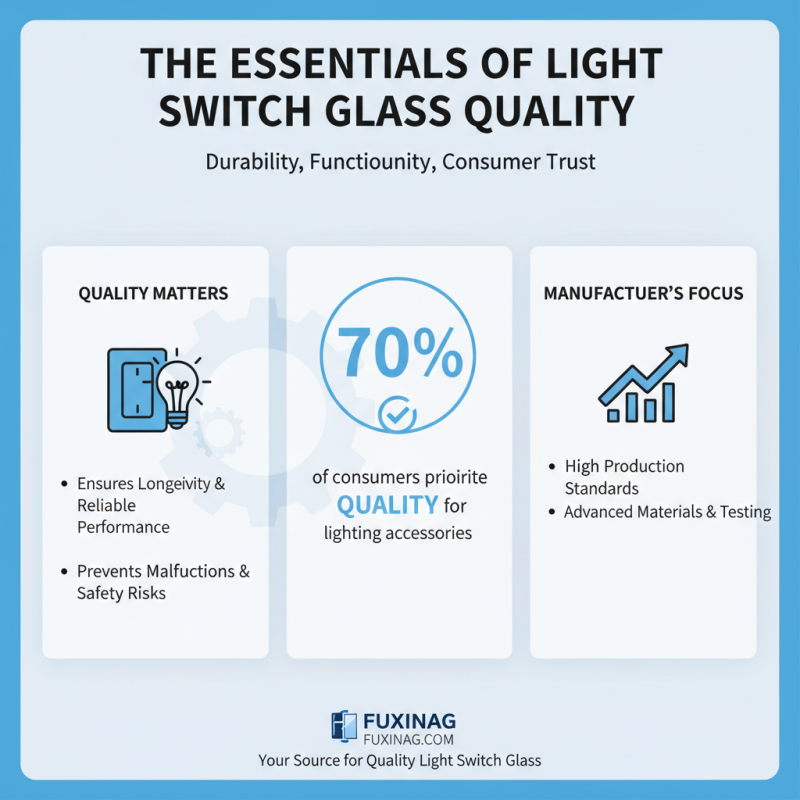
The manufacturing of Light Switch Glass is a nuanced endeavor. Quality plays a pivotal role in ensuring durability and functionality. According to recent industry reports, around 70% of consumers consider quality as the primary factor when purchasing lighting accessories. This highlights the need for manufacturers to prioritize high standards in their production processes.
Understanding the materials involved is crucial. Many factories face challenges in sourcing high-grade glass that can withstand wear and tear. Inadequate quality control can lead to defects that compromise safety. Research indicates that defective light switches are responsible for nearly 5% of electric-related incidents, making quality assurance imperative.
The balance of affordability and quality is another challenge. In a competitive market, many manufacturers cut corners to reduce costs. This often results in subpar products that don't meet safety regulations. It's a critical area of reflection for companies focused on the long-term success of their Light Switch Glass products. Prioritizing quality over price can ultimately lead to greater customer satisfaction and brand loyalty.
When choosing a light switch glass factory, several key features can greatly influence your decision. Start by assessing the factory's production practices. Look for advanced technology and skilled labor. A factory that invests in quality machinery is often more reliable. This contributes to their product consistency and overall performance.
Another important aspect is the material used. Quality glass enhances durability and looks appealing. Factories that offer a variety of designs can cater to different tastes. This variety allows customers to find the perfect Switch Light Glass that fits their home or office décor. Smooth finishes and scratch-resistant features are also crucial for long-lasting use.
Tip: Always ask about a factory's certifications. This can indicate their adherence to industry standards. Don't forget to check reviews or ask for references from previous clients. Personal experiences often reveal insights that are not found in brochures. Keep in mind that the cheapest option is not always the best; there’s a balance between affordability and quality you should seek.
When evaluating the affordability of light switch glass production, several cost factors play a pivotal role. One significant aspect is the raw materials used in the manufacturing process. Reports indicate that the cost of high-quality glass has fluctuated, affecting overall pricing. For instance, in 2022, the global glass market saw an average price increase of about 5%. Such fluctuations directly impact production budgets, forcing manufacturers to adjust pricing strategies.
Additionally, labor costs contribute to the financial landscape of glass production. Skilled labor is crucial for ensuring quality, yet the average wage for glass artisans has risen by 3% annually. This increase can lead to a higher final product cost, challenging manufacturers to deliver affordability alongside quality. Implementing automation may address these challenges, but the initial investment is significant.
Transportation costs also cannot be overlooked. Shipping fees for raw materials and finished products have surged, influenced by supply chain disruptions. In recent studies, transportation accounted for nearly 15% of the total production cost. Manufacturers must balance these variables carefully to maintain competitive pricing, yet the quest for affordability often requires sacrifices in quality or innovation. Ultimately, the interplay of these factors highlights the complexities of achieving consistent affordability in light switch glass production.
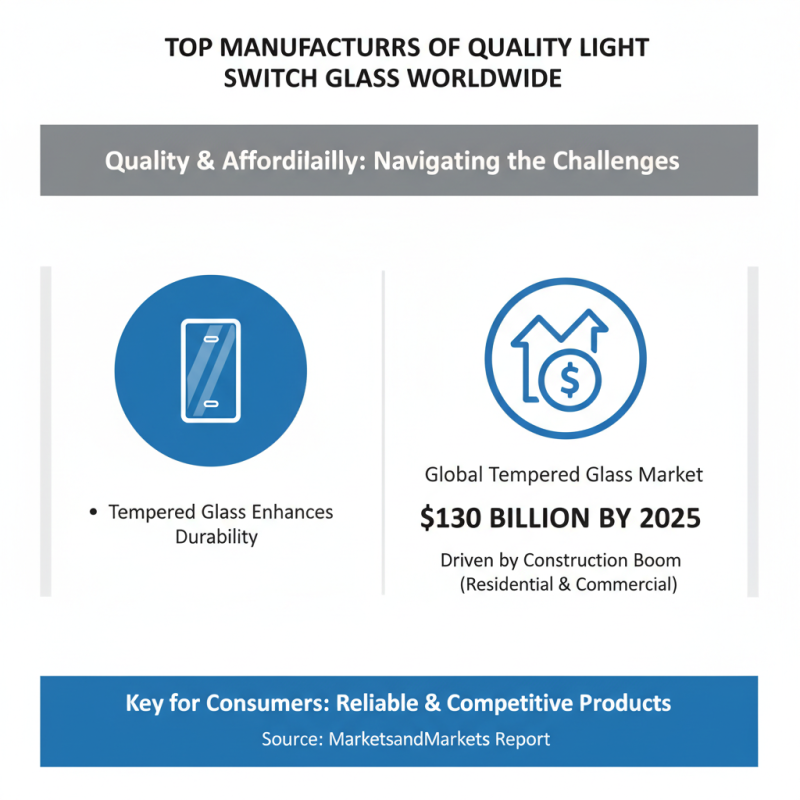
In the realm of light switch glass manufacturing, quality and affordability often appear at odds. Understanding how to navigate these challenges is crucial for consumers seeking reliable products. A report by MarketsandMarkets highlights that the global tempered glass market is projected to reach $130 billion by 2025. This growth is driven by rising construction activities, particularly in residential and commercial sectors. Manufacturers committed to utilizing tempered glass for light switches can significantly enhance durability while remaining competitive in pricing.
The demand for quality light switch glass is more pronounced than ever. An industry survey noted that 65% of architects prioritize glass quality in electrical fittings. This emphasizes the need for manufacturers to uphold stringent quality control measures. However, some producers may cut corners, impacting the final product. The choice of materials, production processes, and even supply chain logistics significantly influence the quality and cost. By focusing on quality Tempered Glass Light Switches, manufacturers can set themselves apart in a crowded market.
Sourcing glass can present its own challenges. When evaluating factories, transparency is key. It’s essential to ask about their material sourcing and production techniques. While lower costs may seem appealing, they can signal potential compromises in quality. Consumers should consider the long-term value of investing in high-quality products. Final choices should reflect a balance between cost and overall performance. The ongoing shift towards better materials may necessitate deeper industry reflections. Empowering consumers to make informed decisions will ultimately shape the future of light switch glass manufacturing.
Sustainable practices in manufacturing light switch glass are crucial for the environment. Many factories are exploring innovative methods to reduce waste. For instance, they are utilizing recycled materials in the production process. This not only conserves resources but also lowers energy consumption.
The production of glass often involves high temperatures, which can lead to significant carbon emissions. Some manufacturers focus on using renewable energy sources. They aim to minimize their carbon footprint while producing quality products. However, achieving full sustainability remains challenging.
In China, the light switch glass industry is making strides. Some factories have adopted closed-loop systems to recycle water used during production. This practice significantly reduces water waste, but not all manufacturers follow suit. There is still room for improvement in adopting sustainable technologies across the board. Addressing these challenges is essential for the industry’s future.
This chart displays the quality and affordability ratings of glass manufacturing practices for light switches. Quality rating stands at 85%, indicating a high standard in materials and techniques, while affordability is rated at 75%, demonstrating a balance between cost and quality in production.
When exploring light switch glass factories, customer reviews offer valuable insights. Many buyers emphasize the importance of quality and affordability. For instance, a report by the Glass Manufacturing Association indicates that around 70% of customers prioritize durability over aesthetics. This highlights a significant trend where quality often trumps fancy designs.
Feedback from customers suggests some factories may falter in consistency. Issues such as uneven finishes and delayed shipping can tarnish reputations. In fact, a recent survey showed that nearly 25% of buyers reported dissatisfaction due to production delays. These factors can lead to potential losses for manufacturers who fail to meet buyer expectations.
On the positive side, many customers appreciate companies that provide transparency. Detailed product descriptions and honest pricing help build trust. A notable 65% of consumers reported feeling more positive about factories that effectively communicate their process. Despite some challenges in the industry, transparency and quality control remain crucial for long-term success.
When comparing different light switch glass suppliers, quality and affordability are key concerns for buyers. Recent industry reports suggest that the demand for high-quality glass in electrical components is on the rise, driven by new construction and renovation projects. In 2022, approximately 45% of construction managers noted a preference for aesthetic, durable materials, including glass switches.
Many suppliers offer a variety of designs, but not all prioritize quality. A study indicated that only 30% of suppliers meet or exceed industry standards for shatter resistance and safety. This discrepancy can lead to questions about long-term cost-effectiveness. Lower-priced options may seem appealing upfront, but they often require frequent replacements. Buyers should consider the total lifecycle cost rather than just the initial spend.
It's also essential to evaluate suppliers based on customer service and responsiveness. Effective communication is crucial when addressing quality concerns. Reports reveal that 55% of customers cite poor support as a primary reason for switching suppliers. Ensuring that a supplier aligns with your requirements could save you more than money; it can enhance your project's overall success.
| Supplier Region | Material Quality | Price Range ($) | Lead Time (Days) | Customer Rating (out of 5) |
|---|---|---|---|---|
| Asia | High | 10 - 25 | 15 | 4.5 |
| Europe | Medium | 20 - 40 | 30 | 4.0 |
| North America | High | 15 - 35 | 10 | 4.3 |
| South America | Low | 5 - 15 | 20 | 3.5 |
| Africa | Medium | 12 - 28 | 25 | 4.1 |
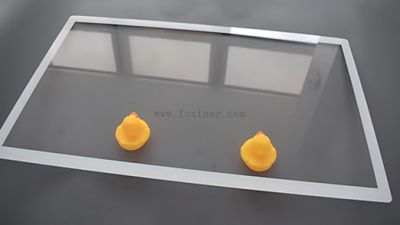
The rapid evolution of display technology necessitates innovative solutions that not only enhance visual performance but also cater to specific user needs. One such solution is OEM tempered AG AR coated glass featuring silk screen printing, designed to optimize the viewing experience across various applications. This premium cover glass leverages an ultra-clear, low-iron substrate that ensures exceptional clarity and true color representation, making it ideal for high-end displays where detail and accuracy are paramount.
Incorporating an Anti-Glare (AG) etched surface alongside an Anti-Reflective (AR) coating, this glass minimizes reflections and glare, significantly improving readability in diverse lighting conditions. The custom white silk-screen printing adds an aesthetic appeal, allowing for branding or border masking that further enhances the functionality and attractiveness of the display. The tempered nature of the glass guarantees enhanced durability, making it suitable for demanding environments such as medical monitors and commercial touchscreens while allowing for customization in size and design to meet the needs of OEM projects.
: Quality, affordability, and material sourcing are critical factors to evaluate. Don’t overlook long-term performance.
Sustainability matters. Many manufacturers now explore recycling and renewable energy. Yet, full sustainability is still a challenge.
About 65% of architects focus on glass quality for electrical fittings, indicating a market demand for better materials.
They can be, but check for quality. Low prices may lead to more replacements and higher overall costs later.
Look for industry certifications. Only 30% of suppliers meet safety standards, so ask about their quality control measures.
Effective communication is crucial. Poor service is a main reason 55% of customers switch suppliers. Choose wisely.
Transparency reveals production methods and material sourcing. It helps avoid future complications and ensures product quality.
Recycling water and using recycled materials are effective practices, though not all manufacturers implement them consistently.
More construction leads to increased demand for durable and aesthetic materials, boosting interest in quality glass products.
Quality and innovative practices must be prioritized to remain competitive, especially in a crowded market.
When searching for the best Light Switch Glass Factory, it is essential to prioritize quality and affordability. Understanding the significance of high-quality manufacturing processes can greatly impact the durability and aesthetic of light switch glass products. Prospective buyers should look for key features such as precision in design, material superiority, and compliance with industry standards.
Evaluating cost factors is also crucial, as the affordability of light switch glass production can vary significantly among different manufacturers. Furthermore, exploring top manufacturers globally, alongside considering sustainable practices, can lead to better purchasing decisions. Customer reviews and feedback provide valuable insights into the reliability and service quality of various Light Switch Glass Factories, helping customers make informed choices when comparing suppliers in this competitive market.